Blankets and quilts serve as essential layers for comfort, temperature regulation, and personal sleep preference. This category highlights various fabrics, weights, and construction methods that affect warmth, breathability, and durability. Understanding material choices, such as cotton, synthetic blends, and wool, helps identify the best option for seasonal use and bedding harmony with existing sheets and pillows. ✓ bedding, sheets, pillows
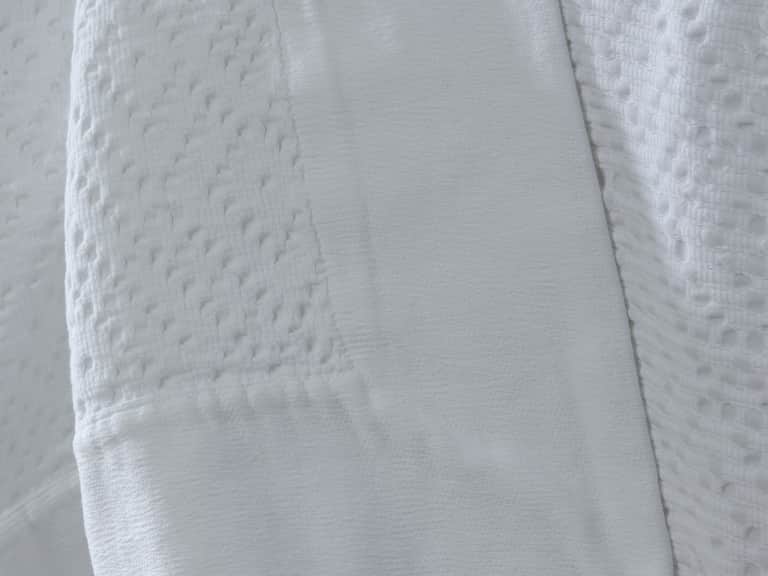
Tex Bedcover and related items emphasize practical design features, including weave patterns, fill types, and edge finishes that influence softness, loft, and washability. By examining weight classifications and care guidelines, readers can select textiles that maintain appearance and performance across years of use in everyday bedding routines. ✓ organic mattresses, adjustable beds
For versatility, consider how quilts and blankets adapt to different sleeping environments, such as layered bedding setups, temperature-controlled beds, or guest room configurations. Key characteristics include thermal efficiency, tactile feel, and ease of laundering, all of which contribute to consistent comfort without constant adjustment. ✓ bedding, sheets
Texture and fiber content play a central role in hypnotic warmth versus bulk. Cotton blends may offer crispness and durability, while wool provides natural temperature regulation. The Tex Bedcover line demonstrates how stitching density and fabric weight correlate with drape, insulation, and long-term resilience. ✓ pillows, organic mattresses
Ultimately, the blanket and quilt category informs practical choices for sleep quality, room aesthetics, and maintenance routines. By comparing product specifications, you can align fabric properties with climate, bed size, and personal comfort preferences, ensuring suitable performance across seasons and use cases within a well-balanced bedding ecosystem. ✓ adjustable beds, bedding
 Bedding