 Mattresses
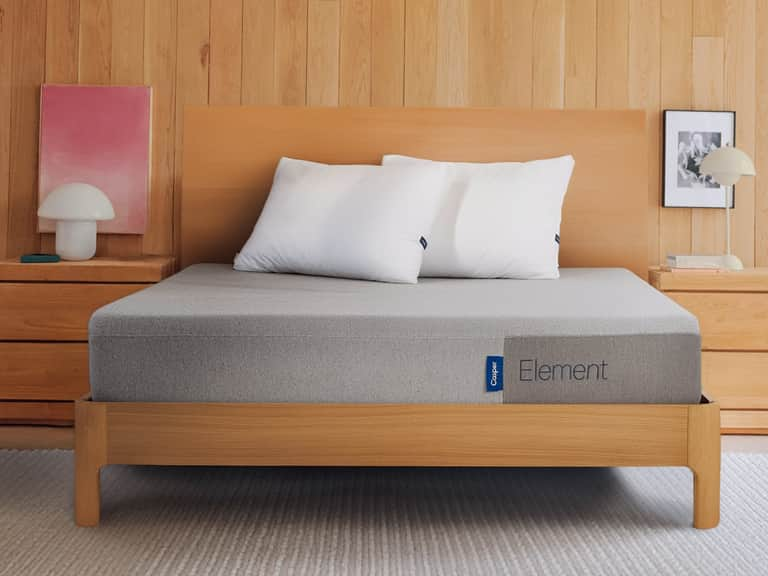
Element Mattress
Sleep cooler with an airy top layer and enjoy a responsive, gently bouncy feel that makes it easier to move and settle in—without the stuck sensation of memory foam.
Foam mattresses use resilient foam materials to provide a sleep surface that adapts to body contours and distributes pressure. Their construction may include one or more foam layers, each designed for functions such as cushioning, support, or airflow. Understanding these characteristics can help explain how foam mattresses differ from innerspring and hybrid designs.
Comfort and support depend on factors such as foam density, firmness, thickness, and the sleeper’s preferred position. A well-matched mattress can help maintain a comfortable posture while reducing pressure around areas such as the shoulders and hips. Personal needs and preferences vary, so these features are best considered together rather than in isolation.
The Element Mattress is a foam mattress in this category. Its foam construction provides a cushioned sleep surface and body-conforming support, with the potential to limit pressure buildup during rest. Mattress feel can vary with firmness and individual body type; these factors are useful when assessing how a model may suit different sleeping habits.
A mattress works as part of a broader bedding setup. Pillows help support the head and neck, while sheets affect surface feel and fit. Mattress dimensions should correspond with the bed frame, and compatibility with adjustable beds depends on the mattress design and the frame’s specifications.
Foam mattresses can be compared with organic mattresses by reviewing their materials, certifications, and manufacturing details; the term “foam” alone does not indicate organic content. Consider durability, ventilation, care instructions, and intended use when evaluating bedding. These practical details help clarify whether a mattress is suitable for a particular sleep environment.
Mattresses